The Origin - Where We Belong
The Society is in Motion.
The most enduring societies have never been defined by their walls. For centuries, private clubs offered something far more valuable than beautiful buildings or distinguished addresses. They created a sense of continuity. A place where conversation could unfold without performance, where discretion was instinctive rather than imposed, and where every familiar face represented years—sometimes generations—of shared trust. Their greatest achievement was never exclusivity. It was belonging.
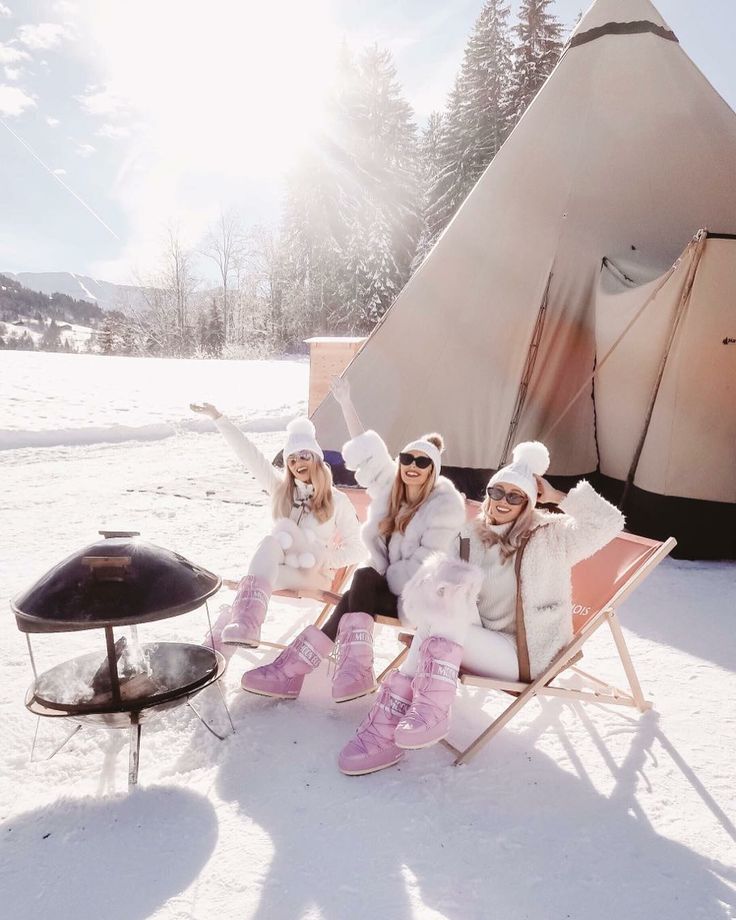
Today, that instinct remains unchanged, even if the world around it has transformed beyond recognition. It has simply learned a different rhythm. Today, life unfolds across seasons rather than addresses. Winter begins high in the Alps. Spring finds its way to the countryside. Summer drifts towards the sea before autumn returns to galleries, concerts and long dinners in Europe's great capitals. Work follows its own geography. Friendships follow another. Curiosity rarely stays still for very long.

The people who move through this world are not searching for somewhere to escape to. They are searching for somewhere they already recognise. A familiar conversation in a different country. The same laughter around another table. A morning on untouched snow. A dinner that lasts longer than expected. A ride through ancient woodland. A conversation that begins over breakfast and quietly reshapes an idea months later. The place changes. The society remains.
This quiet transformation reflects something much deeper than travel. It reflects a different understanding of presence. Experiences have become more meaningful than possessions, they create memories. Places matter not simply for their beauty, but for the people who gather there. Time has become the rarest expression of consideration, and the opportunity to share it with remarkable individuals is increasingly precious.
Every generation inherits traditions. Very few have the privilege of carrying them forward. TMS exchanges fixed addresses for shared horizons. The modern private society understands that tradition has never depended on remaining still. It has always adapted with quiet confidence, finding new expressions without losing its character. The address may change. The values do not.
Today, a season naturally leads to the next.
The ski slopes give way to sailing waters. Horses replace skis. A gallery opening becomes a weekend in the countryside. Familiar faces reappear, not because of routine, but because certain people instinctively choose the same rhythm of life.
Membership is woven into these moments. Not through obligation, but through presence.
A shared table after a day outdoors. An early coffee before the first chairlift. An afternoon spent discovering a local vineyard with someone met months earlier on another coastline. Friendships are given the rare opportunity to develop as they once did: gradually, across time, places and seasons.
Nothing feels scheduled. Everything feels expected.
That is perhaps the greatest luxury of all—not abundance, but ease. The ease of arriving without introduction. The ease of continuing yesterday's conversation six months later. The ease of knowing that wherever the next chapter unfolds, there will already be people waiting who understand the pleasure of good company, thoughtful conversation and a life lived with curiosity.
A private society has never simply gathered people. It has shaped the way they meet the world. And perhaps that is its most enduring role. Not just to preserve the past. But to ensure that its finest qualities continue to travel.